
Blues was built on a distribution system that no longer exists: regional radio, travelling circuits, independent record shops, and word of mouth carried between them. Those channels shaped the music as much as the musicians did.
That system has been replaced by something with almost no geography. A listener in Oslo can find a Delta blues record and a contemporary Chicago-style band in the same afternoon, without either artist knowing they exist. Access has never been wider. Attention has never been thinner.
What digital discovery changed
Three things matter most for working blues and rock artists.
- Catalogue has value again. A recording no longer disappears when a pressing sells out. An older album can find new listeners years later, provided it is properly presented and easy to find.
- Context beats novelty. Recommendation systems reward music that sits convincingly within a listening pattern. Clear genre signals, consistent presentation and coherent releases help a record land in the right place.
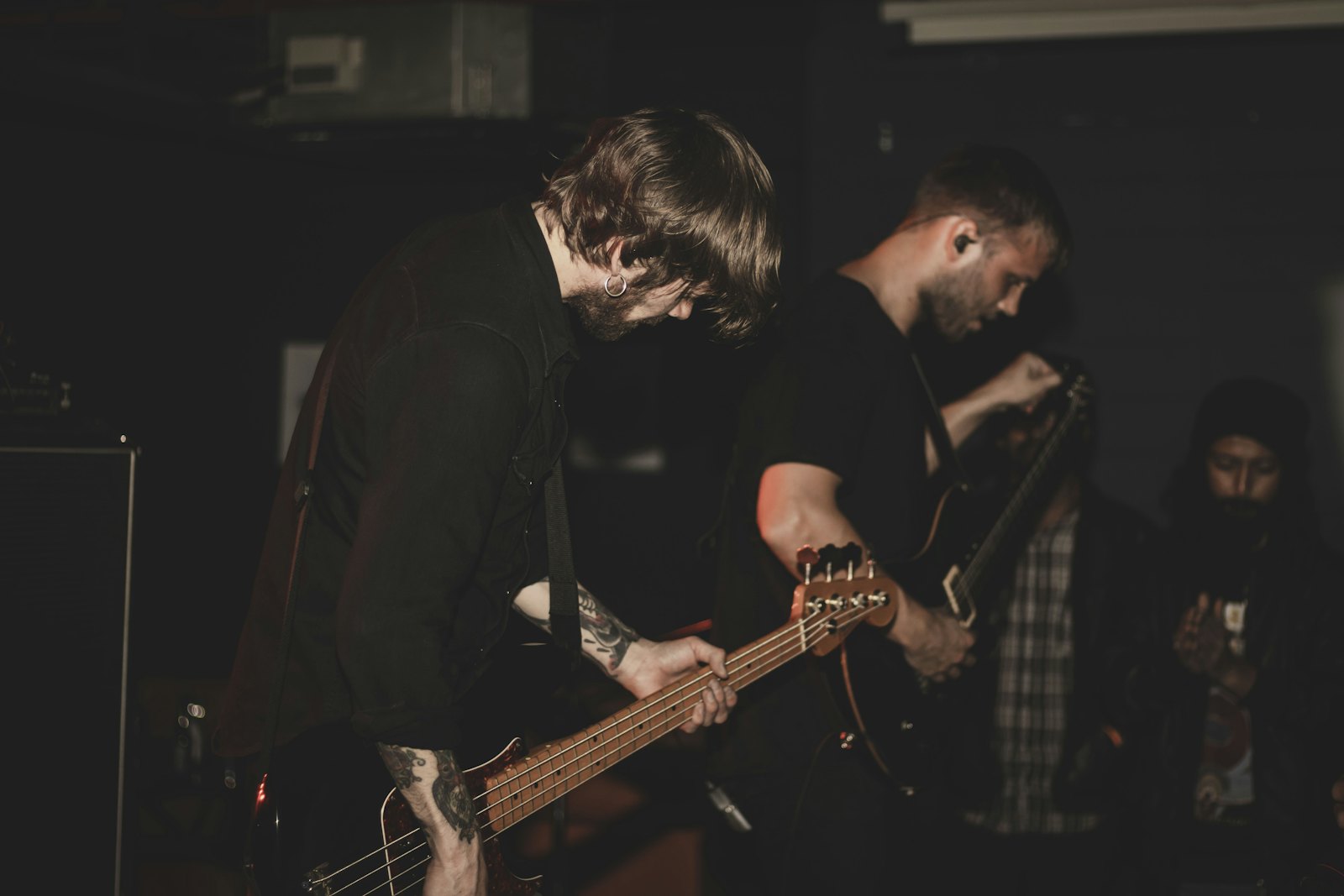
- The live room became more important, not less. Digital access made recorded music abundant. A performance that cannot be replicated by a stream is now the clearest reason to care about an artist.
The genre’s quiet advantage
Blues and rock carry something most contemporary genres struggle to manufacture: lineage. Audiences arrive with an understanding of the tradition, and they often want to know where an artist sits within it — who they learned from, which rooms they came through, what they are carrying forward.
That is a promotional asset, not a limitation. An artist who can speak thoughtfully about their relationship to the tradition gives writers a story and gives listeners a way in. It is also the difference between being described as “a blues artist” and being remembered.
What gets lost online
The algorithmic environment rewards immediacy and repetition. Blues rewards patience, dynamics and performance. That mismatch has consequences: quieter, slower, longer music is harder to explain in a fifteen-second clip, and artists are often pushed toward promotional content that misrepresents what they actually do.
The answer is not to refuse the platforms. It is to use them for what they are good at — discovery, documentation, conversation — while placing the real relationship somewhere else: the live show, the mailing list, the catalogue.
Presenting a traditional genre professionally
Audiences and media still judge presentation. A well-designed release, an accurate biography, current photographs and a functioning website are not concessions to commerce; they are how a serious artist behaves in public.
There is also a particular risk in this genre of leaning too heavily on heritage aesthetics. Sepia-toned imagery and borrowed mythology can signal authenticity to an artist’s existing audience while making the work feel like a period piece to everyone else. Contemporary presentation does not erase tradition. It lets the tradition be heard by people who were not already listening.
Where to place the effort
- Make the catalogue navigable. Clear artist profiles, correct metadata, consistent naming, and links that work.
- Record the live show properly. One well-captured performance is worth more than a dozen casual clips.
- Build a direct channel. An email list remains the most reliable way to reach people who have already chosen to care.
- Give the story to writers. A clear, well-prepared press kit makes coverage possible; a vague one makes it unlikely.
- Keep showing up in the same rooms. Regional audiences are built through repetition, and they remain the foundation of most independent careers.
The music still decides
No promotional strategy rescues a record that says nothing, and no algorithm creates a scene. What digital tools can do is remove the barriers between a great performance and the people who would recognise it.
That is the useful framing for a traditional genre in a modern environment: use the new distribution, keep the old standards.